
Breakthrough Brainwave-Guided Treatment with qpTMS™
A Smarter, More Precise Approach to Mental Wellness
At Brain Wellness Center, we use qpTMS™ (Quantum Phased Targeted Magnetic Stimulation)—an advanced, personalized form of TMS (Transcranial Magnetic Stimulation)—to treat a wide range of neurological and mental health conditions. Unlike traditional TMS, which applies a one-size-fits-all approach, qpTMS™ tailors each treatment session to your unique brainwave patterns, providing highly precise and customized brain stimulation for optimal results.


What Makes qpTMS™ Different?
While both TMS and qpTMS™ use gentle magnetic pulses (a tiny fraction of an MRI’s strength), qpTMS™ takes precision to the next level by targeting specific underactive brain regions—about the size of a golf ball—based on your brain’s unique electrical activity.
Using FDA-approved TMS equipment, we integrate an advanced brainwave-guided targeting method to stimulate areas responsible for mood regulation, cognitive function, focus, and emotional balance.
Why Choose qpTMS™?
Think of qpTMS™ as a “reset button” for your brain—helping you feel like yourself again.

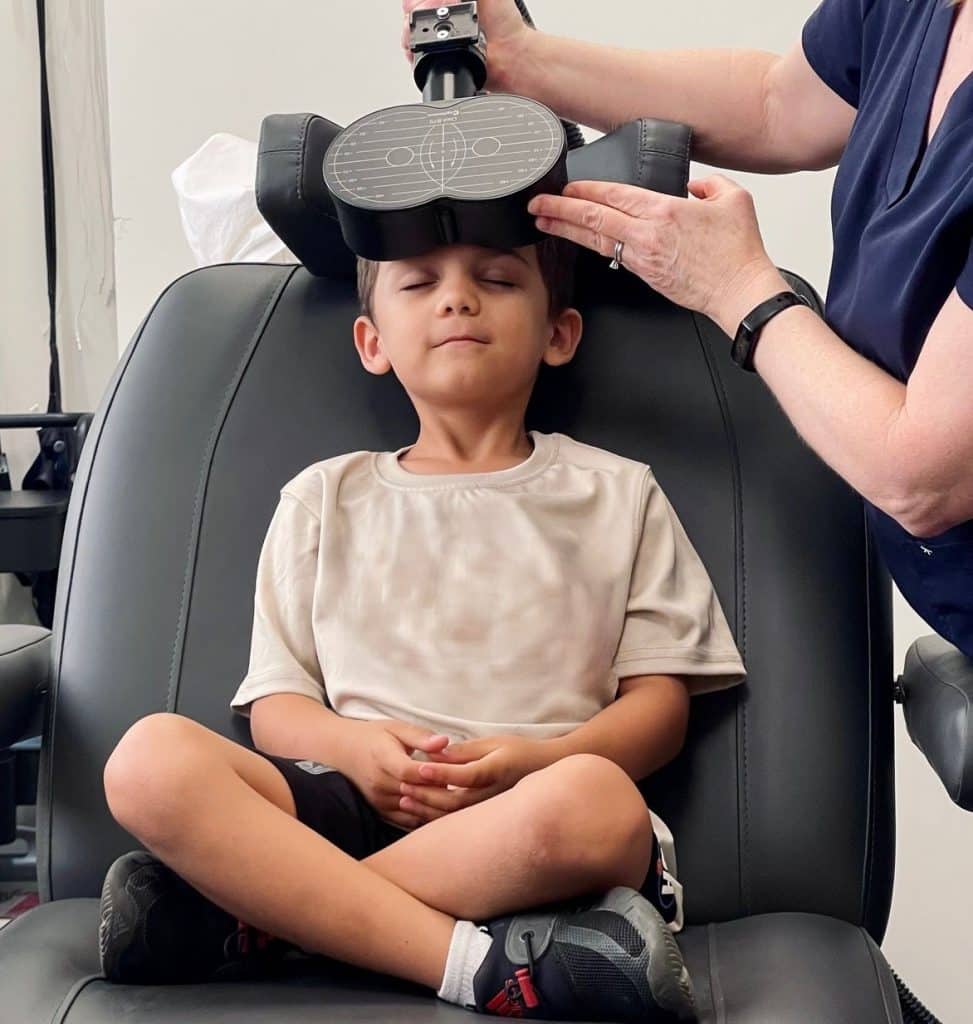
How Does qpTMS™ Work?
Who Can Benefit from qpTMS™?
qpTMS™ is designed to help individuals experiencing:
If you’ve tried traditional treatments without success, qpTMS™ could be the breakthrough you’ve been waiting for.


The Science Behind qpTMS™
This highly customized approach leads to:
Unlike traditional TMS, which applies generic stimulation, qpTMS™ personalizes treatment based on your brain’s unique electrical patterns.
Frequently Asked Questions
- qpTMS™ Treatment - ADHD
- qpTMS™ Treatment - Anxiety
- qpTMS™ Treatment - Autism
- qpTMS™ Treatment - Bipolar
- qpTMS™ Treatment - Cognitive Decline
- qpTMS™ Treatment - Depression
- qpTMS™ Treatment - Dyslexia
- qpTMS™ Treatment - Insomnia
- qpTMS™ Treatment - OCD
- qpTMS™ Treatment - Prenatal Depression
- qpTMS™ Treatment - PTSD
- qpTMS™ Treatment - TBI & Concussion
- qpTMS™ Treatment – Addiction
qpTMS™ (Quantum Phased Targeted Magnetic Stimulation) is our advanced, personalized TMS protocol, guided by your brain’s qEEG data. It targets brain regions disrupted by addiction to support emotional regulation, impulse control, and recovery.
Unlike traditional TMS, qpTMS™ uses detailed brain mapping to adjust stimulation parameters, coil placement, and session timing. This customization allows for greater accuracy and effectiveness in treating addiction-related brain patterns.
No. While both use FDA-approved TMS equipment, qpTMS™ is Brain Wellness Center’s exclusive, research-based protocol. Like MeRT, it’s qEEG-guided, but our approach is uniquely tailored and not a trademarked method.
qpTMS™ uses FDA-cleared equipment. While TMS is FDA-approved for depression, its use in addiction is considered off-label but supported by growing research. Brain Wellness Center ensures all safety and clinical standards are followed.
Yes. Side effects are rare and typically mild, such as temporary headaches in a small percentage of patients. TMS has an excellent safety profile, and your well-being is closely monitored at every stage.
Most patients benefit from 30–40 sessions over 6–8 weeks. Your exact treatment plan will depend on your brain’s response and your individual recovery goals.
Some individuals begin noticing improvements in cravings, focus, or mood within 2–3 weeks. Others may take longer. We monitor your progress and adjust as needed throughout your treatment.
Yes. qpTMS™ targets areas of the brain involved in addiction, motivation, and emotional regulation. Many patients report reduced cravings, better mood stability, and increased clarity as treatment progresses.
TMS is widely covered for depression, and in some cases, insurance may approve its use for addiction when medically necessary. Brain Wellness Center will help you navigate your insurance and submit the required documentation.
Absolutely. In fact, it often works best when integrated with counseling, neurofeedback, qEEG, and other wellness modalities we offer for a well-rounded approach to addiction recovery.
qpTMS™ stands for Quantum Phased Targeted Magnetic Stimulation. It’s a highly advanced, personalized form of TMS that uses detailed qEEG brain mapping to identify and target areas of the brain associated with attention, impulse control, and emotional regulation—key challenges in ADHD.
Standard TMS follows a fixed treatment protocol. qpTMS™ is fully customized to each patient’s brain using qEEG data, adjusting stimulation location, intensity, and timing for greater precision and effectiveness, especially in ADHD-related brain patterns.
No. MeRT is a trademark—similar to how Big Mac is a trademark for McDonald’s. Both MeRT and qpTMS™ use FDA-approved TMS equipment, but Brain Wellness Center’s qpTMS™ involves a distinct, proprietary approach to data interpretation and treatment customization.
qpTMS™ uses FDA-cleared equipment, but TMS is only FDA-approved for treating depression, not ADHD. While research supports the benefits of TMS for ADHD, insurance does not currently cover this treatment unless you also have a qualifying depression diagnosis.
Yes. TMS is non-invasive and well-tolerated, with minimal side effects like mild headaches (5% of patients). Seizures are extremely rare (1 in 70,000 sessions). Your safety is always a top priority at Brain Wellness Center.
Most patients complete 30–40 sessions over 6–8 weeks. Treatment frequency and duration are adjusted based on your unique needs and brain activity patterns.
Some patients begin to notice improvements in focus, mood, and emotional regulation within 2–3 weeks. Others may take longer. Brain Wellness Center tracks your progress throughout treatment.
Yes. Many individuals with ADHD also experience anxiety, depression, or executive function challenges. qpTMS™ can target multiple brain regions to address these overlapping symptoms.
No. Although TMS is FDA-approved for depression, it is not covered by insurance when used solely to treat ADHD. If you also have a qualifying depression diagnosis, insurance may approve treatment under that diagnosis. Otherwise, ADHD treatment is self-pay.
Yes. For best results, we often combine qpTMS™ with qEEG, neurofeedback, and Passive Near-Infrared Light Therapy (PnIR). This multi-modal approach helps strengthen attention, improve regulation, and support long-term success in managing ADHD.
qpTMS™ stands for Quantum Phased Targeted Magnetic Stimulation. It’s an advanced, highly personalized form of TMS guided by qEEG brain mapping, exclusively available at Brain Wellness Center. It is designed to improve symptoms of anxiety, attention, and emotional regulation.
Unlike standard TMS, qpTMS™ uses real-time brain data to customize coil placement, stimulation intensity, and frequency for each individual. This tailored approach enhances precision and effectiveness in treating anxiety and related symptoms.
No. MeRT is a trademarked term. Both qpTMS™ and MeRT use FDA-cleared TMS devices, but the key difference lies in Brain Wellness Center’s proprietary, data-driven method of customizing treatment with far greater detail and flexibility.
qpTMS™ uses FDA-cleared equipment. The customization process is based on clinical data and qEEG mapping. While TMS is FDA-approved for depression, its use for anxiety is considered off-label and not covered by insurance.
Yes. qpTMS™ is non-invasive and well-tolerated. Minor side effects like mild headaches occur in about 5% of patients. The risk of a seizure is extremely rare—about 1 in 70,000 sessions. Your safety is our top priority.
Most patients require 30–40 sessions over 6–8 weeks, depending on their unique symptoms and brain activity. Your exact plan will be determined by our team based on your qEEG results.
Some patients report reduced anxiety within 2–3 weeks, while others may take a bit longer. Our team will closely track your progress and adjust your care plan as needed.
Yes. Although only depression is covered by insurance, many patients with anxiety also experience depression and may qualify for covered treatment. Otherwise, qpTMS™ for anxiety is a self-pay service at Brain Wellness Center.
No. Insurance currently covers TMS only for Major Depressive Disorder (MDD), not anxiety disorders. However, if you also have depression, you may still qualify for insurance-covered treatment. Otherwise, anxiety treatment with qpTMS™ is self-pay.
Yes. For optimal results, we often combine qpTMS™ with qEEG brain mapping, neurofeedback, and PnIR therapy. This integrative approach addresses anxiety from multiple angles for deeper and longer-lasting relief.
It’s a data-driven form of TMS using qEEG mapping for personalized treatment; exclusively offered at Brain Wellness Center.
It customizes coil placement, frequency, intensity, and timing based on individual brainwave patterns.
No. MeRT uses standard TMS with limited EEG data; qpTMS™ uses more advanced and individualized targeting.
The equipment is FDA-cleared. The personalization aspect is off-label but follows safety guidelines.
Yes. It has a strong safety profile, with headaches as the most common side effect (5%).
30–40 sessions over 6–8 weeks. Duration may vary based on the individual.
Some improvements may appear in 2–3 weeks; progress is monitored and adjusted.
Yes. It is often combined with qEEG mapping, neurofeedback, and PnIR for comprehensive care.
Yes. It helps with sensory overload, emotional dysregulation, attention issues, and social anxiety.
Most insurance plans do not cover it.
An advanced, personalized form of TMS guided by qEEG brain data, available exclusively at Brain Wellness Center.
It customizes coil placement, stimulation parameters, and timing using your qEEG data, delivering highly tailored and precise treatment.
No. While both use FDA-approved equipment, qpTMS™ uses Brain Wellness Center’s proprietary qEEG-guided customization, unlike the trademarked MeRT protocol.
It uses FDA-cleared TMS equipment. The personalization method is based on brainwave analysis and adheres to all safety and efficacy standards.
Yes. Minimal side effects; mild headaches (5%), and rare seizures (1 in 70,000). Safety is a top priority.
Typically 30–40 sessions over 6–8 weeks. The treatment plan is personalized per individual needs.
Many patients see improvements in 2–3 weeks, while others may take longer. Progress is closely monitored throughout treatment.
Yes. It targets emotional regulation centers to address both depressive and manic symptoms effectively.
Yes. Most major insurers cover it when medical necessity is documented.
Yes. It is often combined with qEEG, neurofeedback, and PnIR for a comprehensive treatment approach.
qpTMS™ (Quantum Phased Targeted Magnetic Stimulation) is an advanced, personalized brain stimulation treatment that uses qEEG brain mapping to support brain health. It’s designed to enhance cognitive function, focus, and memory in aging adults experiencing mental decline.
While traditional TMS uses a general treatment protocol, qpTMS™ at Brain Wellness Center is custom-tailored using your brain’s unique electrical activity. This leads to more precise and effective stimulation to support areas involved in memory, attention, and processing speed.
No. While both use FDA-approved TMS equipment, qpTMS™ offers a much more personalized approach guided by advanced qEEG analysis. Brain Wellness Center’s proprietary system targets the brain’s cognitive and emotional regulation centers with greater accuracy.
Yes. The technology used in qpTMS™ is FDA-cleared. Our methods follow all safety standards and are backed by years of clinical experience in treating cognitive and neurological conditions.
Yes. Side effects are rare and mild—typically limited to slight headaches in a small percentage of patients. Our staff closely monitors each session to ensure safety, especially for older adults.
A typical course consists of 30–40 sessions over 6–8 weeks. Your treatment plan will be tailored to your cognitive health goals and any related concerns such as memory, focus, or processing speed.
Many patients begin to notice improvements in clarity, memory, or energy within 2–4 weeks. Every brain responds differently, so our team will monitor progress and adjust your plan accordingly.
Yes. qpTMS™ is especially effective in targeting areas of the brain associated with memory, attention, and executive function. It is a valuable option for patients seeking non-pharmacological solutions for cognitive decline.
Yes. Since qpTMS™ uses FDA-approved TMS equipment, most major insurance providers offer coverage when the treatment is medically necessary. Our team at Brain Wellness Center will help verify your benefits.
Absolutely. qpTMS™ often works best when paired with neurofeedback, qEEG-guided coaching, or PnIR light therapy. Brain Wellness Center uses a holistic approach to support long-term brain health and prevent further decline.
qpTMS™ stands for Quantum Phased Targeted Magnetic Stimulation. It is a highly personalized form of transcranial magnetic stimulation (TMS), guided by qEEG brain mapping. This advanced treatment is exclusively offered at Brain Wellness Center to help relieve symptoms of depression.
While standard TMS follows a “one-size-fits-all” protocol, qpTMS™ is customized based on your unique brainwave patterns. We adjust coil placement, pulse frequency, intensity, and timing to target your specific areas of dysfunction—enhancing treatment effectiveness for depression.
No. MeRT is a trademarked variation of TMS. While both use FDA-approved equipment, Brain Wellness Center’s qpTMS™ goes further by using comprehensive qEEG brain mapping and proprietary algorithms for a more advanced and individualized approach to treating depression.
Yes. qpTMS™ uses FDA-cleared equipment approved for treating Major Depressive Disorder. Brain Wellness Center complies with all FDA safety and treatment guidelines while offering a more customized experience than standard TMS.
Yes. TMS is non-invasive and well-tolerated. Mild headaches are reported in about 5% of patients, and serious side effects are extremely rare. At Brain Wellness Center, we prioritize your safety with every session.
Most patients complete 30–40 sessions over 6 to 8 weeks. The exact number depends on your symptoms and response to treatment. We’ll customize your plan based on your progress and needs.
Some patients notice mood improvement in 2–3 weeks, while others take longer. Progress is monitored throughout your course of qpTMS™ to ensure lasting relief from depression.
Yes. qpTMS™ is especially helpful for individuals who haven’t responded well to antidepressants or talk therapy. It targets brain regions involved in emotional regulation and can restore function where traditional methods fall short.
Yes. TMS is covered by most major insurance plans when treating Major Depressive Disorder. Brain Wellness Center will help verify your benefits and handle all the necessary paperwork to ensure coverage for eligible patients.
Yes. Many patients benefit from combining qpTMS™ with qEEG, neurofeedback, or Passive Near-Infrared Light Therapy (PnIR)—all available at Brain Wellness Center. This integrative approach supports more comprehensive recovery.
qpTMS™ stands for Quantum Phased Targeted Magnetic Stimulation. It is an advanced, personalized form of TMS guided by qEEG brain mapping. At Brain Wellness Center, it’s used to help improve cognitive processing and learning efficiency in individuals with dyslexia.
qpTMS™ at Brain Wellness Center customizes the treatment by using your brainwave data to adjust coil placement, intensity, and timing. This precision allows us to target the exact regions involved in reading, attention, and language processing affected by dyslexia.
No. MeRT is a trademark, like “Big Mac” is to McDonald’s. Both MeRT and qpTMS™ use the same FDA-cleared TMS equipment. The difference is in the data analysis and protocol design—Brain Wellness Center’s qpTMS™ uses qEEG to provide deeper, personalized targeting.
qpTMS™ uses FDA-cleared TMS equipment. While the personalization method is proprietary, all safety and efficacy standards are followed at Brain Wellness Center.
Yes. It is a non-invasive procedure with minimal side effects. Some patients report mild headaches (about 5%), and the risk of seizure is extremely rare (1 in 70,000 sessions). Your safety is always our top priority.
Most patients complete 30–40 sessions over 6–8 weeks. Your treatment plan at Brain Wellness Center will be designed to match your specific learning and processing needs.
Some individuals begin to see changes in focus, reading fluency, and confidence within 2–3 weeks. Others may notice more gradual improvements. We monitor your progress closely throughout the process.
Yes. By stimulating the brain’s language and executive function areas, qpTMS™ can enhance reading speed, reduce word confusion, and improve working memory—key challenges often seen in dyslexia.
Coverage may vary depending on your plan and diagnosis. While many insurance providers cover TMS for depression, dyslexia may not always be eligible. Brain Wellness Center can verify your benefits and explore coverage options or self-pay rates.
Yes. It works best when combined with qEEG diagnostics, neurofeedback, cognitive training, and PnIR therapy—all available at Brain Wellness Center for a well-rounded, brain-based approach to dyslexia care.
qpTMS™ stands for Quantum Phased Targeted Magnetic Stimulation. It is a highly advanced and personalized form of TMS that uses brain mapping (qEEG) to treat specific areas of the brain involved in sleep regulation. Brain Wellness Center is the only clinic offering this customized approach.
qpTMS™ uses magnetic pulses targeted to areas of the brain linked to sleep-wake cycles. By calming overactive regions and supporting better brain rhythm, qpTMS™ helps patients fall asleep more easily and stay asleep longer.
No. While both use similar equipment, MeRT is a trademarked brand. Brain Wellness Center’s qpTMS™ goes further by using advanced algorithms and detailed qEEG data for deeper customization and more accurate treatment of insomnia.
Yes. qpTMS™ uses FDA-cleared TMS equipment. The custom targeting is based on brainwave data, allowing us to safely tailor treatment for insomnia without medication.
Yes. TMS is non-invasive and well-tolerated. The most common side effect is a mild headache in a small number of patients. Brain Wellness Center follows strict safety protocols to ensure your comfort and care.
Yes. qpTMS™ targets brain regions that regulate both sleep and mood. Many patients with insomnia tied to stress or anxiety experience better sleep and more emotional balance after treatment.
Insurance may cover TMS when insomnia is linked to Major Depressive Disorder (MDD). If your insomnia is not tied to depression, qpTMS™ may still be available as a self-pay option. Brain Wellness Center can help check your benefits.
Most patients complete 30–40 sessions over 6–8 weeks. This may vary depending on your sleep history and response to treatment. Your provider will adjust your plan as needed.
Some patients notice improvements within the first few weeks. Others see gradual changes over time. Brain Wellness Center tracks your progress closely to fine-tune your care.
Yes. qpTMS™ works well alongside neurofeedback, PnIR light therapy, and behavioral changes to create a comprehensive plan for better sleep. Brain Wellness Center will design a treatment program tailored to your needs.
qpTMS™ (Quantum Phased Targeted Magnetic Stimulation) is a highly personalized form of TMS therapy. It uses qEEG brain mapping to target and regulate overactive brain regions linked to OCD.
Standard TMS treats general brain areas, but qpTMS™ at Brain Wellness Center adjusts coil position, stimulation timing, and intensity based on each patient’s unique brain activity—making it far more precise and effective.
No. MeRT is a marketing term used by some providers. While both use brain data and TMS equipment, qpTMS™ at Brain Wellness Center uses proprietary algorithms and deeper analysis for a truly personalized treatment.
The equipment used in qpTMS™ is FDA-cleared. The customization is based on brainwave data (qEEG), a method used for advanced precision without introducing any unapproved hardware or medications.
Yes. The most common side effect is a mild headache in a small number of patients. Seizures are extremely rare (1 in 70,000 sessions). Our team closely monitors each session to ensure safety and comfort.
qpTMS™ stands for Quantum Phased Targeted Magnetic Stimulation. It’s a personalized form of TMS guided by your brain’s qEEG data and is uniquely offered at Brain Wellness Center to treat depression, including during pregnancy.
Unlike standard TMS, qpTMS™ is customized for each patient based on brainwave data, adjusting coil placement, strength, and timing to optimize outcomes—especially effective for prenatal depression.
No. MeRT is a trademark like “Big Mac.” While both use FDA-approved equipment, qpTMS™ uses proprietary qEEG-guided protocols grounded in advanced neuroscience.
qpTMS™ uses FDA-cleared TMS devices. The customization follows safety-compliant adjustments based on your individual qEEG, fully within regulatory standards.
Yes. TMS is non-invasive, drug-free, and free from systemic side effects, making qpTMS™ a safe and effective option during pregnancy.
Most patients complete 30–40 sessions over 6–8 weeks. Treatment is customized and progress is monitored closely.
Some patients see improvement in 2–3 weeks, while others may take longer. Progress is evaluated regularly to adapt the treatment plan.
Yes. While focused on depression, qpTMS™ can also regulate brain regions involved in anxiety, offering broader emotional support.
Not directly. Insurance typically covers TMS under a Major Depressive Disorder (MDD) diagnosis. If symptoms qualify as MDD, coverage may apply. We help navigate this process.
Yes. We often pair qpTMS™ with qEEG, neurofeedback, and PnIR—all of which are safe, non-invasive therapies for pregnant patients.
qpTMS™ (Quantum Phased Targeted Magnetic Stimulation) is a personalized form of TMS therapy, guided by qEEG brain mapping. It targets the specific brain circuits disrupted by PTSD and is exclusively available at Brain Wellness Center.
Unlike standard TMS, qpTMS™ uses qEEG data to individualize coil placement, pulse strength, and stimulation timing, enabling precise targeting of PTSD-related brain regions such as those linked to fear and trauma.
No. MeRT is a trademark, while qpTMS™ is Brain Wellness Center’s proprietary approach. Both use FDA-cleared hardware, but qpTMS™ involves deeper analysis and custom calibration based on qEEG data.
The TMS devices used in qpTMS™ are FDA-cleared. While the customized protocol is not separately submitted to the FDA, it adheres to clinical best practices and utilizes validated technologies.
Yes. qpTMS™ is non-invasive and safe. Most patients experience only mild, temporary side effects like a slight headache. The seizure risk is extremely low—about 1 in 70,000 sessions.
Most patients require 30–40 sessions over 6–8 weeks. Each treatment plan is tailored based on individual qEEG findings and symptom severity.
Many patients feel improvements—such as reduced anxiety or better sleep—within 2–3 weeks. Others may need longer. Progress is closely monitored and adjusted as needed.
Yes. It helps regulate brain regions tied to emotional memory, fear, and arousal—reducing symptoms like flashbacks, panic, and reactivity.
TMS is generally covered for depression. If PTSD symptoms overlap with treatment-resistant depression, insurance may approve coverage. Brain Wellness Center handles verification.
Absolutely. For best results, it can be integrated with neurofeedback, PnIR, and psychotherapy in a comprehensive treatment plan.
qpTMS™ stands for Quantum Phased Targeted Magnetic Stimulation. It is an advanced and highly individualized form of TMS therapy guided by qEEG brain mapping. At Brain Wellness Center, we use qpTMS™ to target specific areas of the brain affected by TBI or concussion, promoting healing and restoring function.
Yes. TMS is non-invasive and well-tolerated. Side effects are minimal—most commonly mild headaches (seen in about 5% of patients). Seizures are extremely rare (less than 1 in 70,000 sessions). At Brain Wellness Center, your safety is our top priority.
Unlike standard TMS, qpTMS™ at Brain Wellness Center is customized based on your brain’s electrical activity. Coil placement, pulse strength, frequency, and timing are all tailored to your qEEG findings, making it a more precise and effective treatment for neurological recovery after brain injury.
No. MeRT is a trademark—similar to how “Big Mac” is a trademark of McDonald’s. Both MeRT and qpTMS™ use FDA-approved TMS equipment, but Brain Wellness Center’s proprietary qpTMS™ uses a more advanced, data-driven methodology for targeting brain areas affected by TBI.
qpTMS™ uses FDA-cleared TMS devices. The personalization of the treatment is based on safe, evidence-based protocols using qEEG brainwave data. Brain Wellness Center adheres to all FDA safety and efficacy standards.
Most patients complete 30–40 sessions over the course of 6 to 8 weeks. However, the number of sessions may vary depending on your specific symptoms and qEEG findings. Brain Wellness Center will create a schedule that fits your needs.
Some patients begin to feel improvement in concentration, energy, or emotional regulation within 2–3 weeks, while others may take longer. Brain Wellness Center tracks your progress closely throughout treatment.
Yes. qpTMS™ targets the brain regions involved in cognition, attention, and emotional regulation—areas commonly affected by TBI and concussion. Many patients report improved clarity, reduced brain fog, and better control of emotions after treatment.
Yes. TMS is covered by most major insurance providers. While coverage is often tied to a diagnosis of depression, many TBI patients qualify if symptoms such as mood or cognitive impairment are present. Brain Wellness Center can help determine if your insurance will approve treatment.
Absolutely. qpTMS™ is most effective when combined with neurofeedback, qEEG, and PnIR (Passive Near-Infrared Therapy)—all available at Brain Wellness Center. This multimodal approach supports brain recovery from multiple angles.