
Brain Wellness Center: Restore & Enhance Your Brain Function Naturally
Sharper Thinking, Better Memory, Stronger Focus—Without Medications
Your Brain Faces Daily Assaults—Are You Protecting It?
We often think aging is the only reason for cognitive decline, but our brains endure daily assaults from multiple sources, leading to brain fog, memory loss, and difficulty concentrating long before old age sets in.


Breakthrough Brain Optimization Treatments at Brain Wellness Center
We use cutting-edge, non-invasive treatments to improve memory, focus, processing speed, and cognitive resilience—helping you think, focus, and remember better.
A Data-Driven Approach to Identifying Cognitive Patterns
qEEG Brain Mapping – The Science of Understanding Brain Function
qEEG (Quantitative Electroencephalography) is an advanced brain imaging tool that measures electrical activity in the brain, pinpointing neurological imbalances affecting memory, focus, and cognitive function.
How Does qEEG Help?
qEEG Brain Mapping is the first step toward a customized, effective brain enhancement plan.


Restoring Neural Function for Faster Thinking & Sharper Focus
qpTMS™ (Quantum Phased Targeted Magnetic Stimulation) – Enhancing Brain Performance
qpTMS™ is an advanced, personalized form of transcranial magnetic stimulation (TMS) that enhances neural communication, memory recall, and cognitive function.
How Does qpTMS™ Work?
Many patients report improved focus, sharper memory, and faster mental processing after treatment.
Strengthening Focus, Memory & Mental Clarity
Neurofeedback – Training Your Brain for Peak Performance
Neurofeedback is a powerful, non-invasive brain training system that optimizes brainwave activity for better focus, memory, and cognitive function.
How Does Neurofeedback Work?
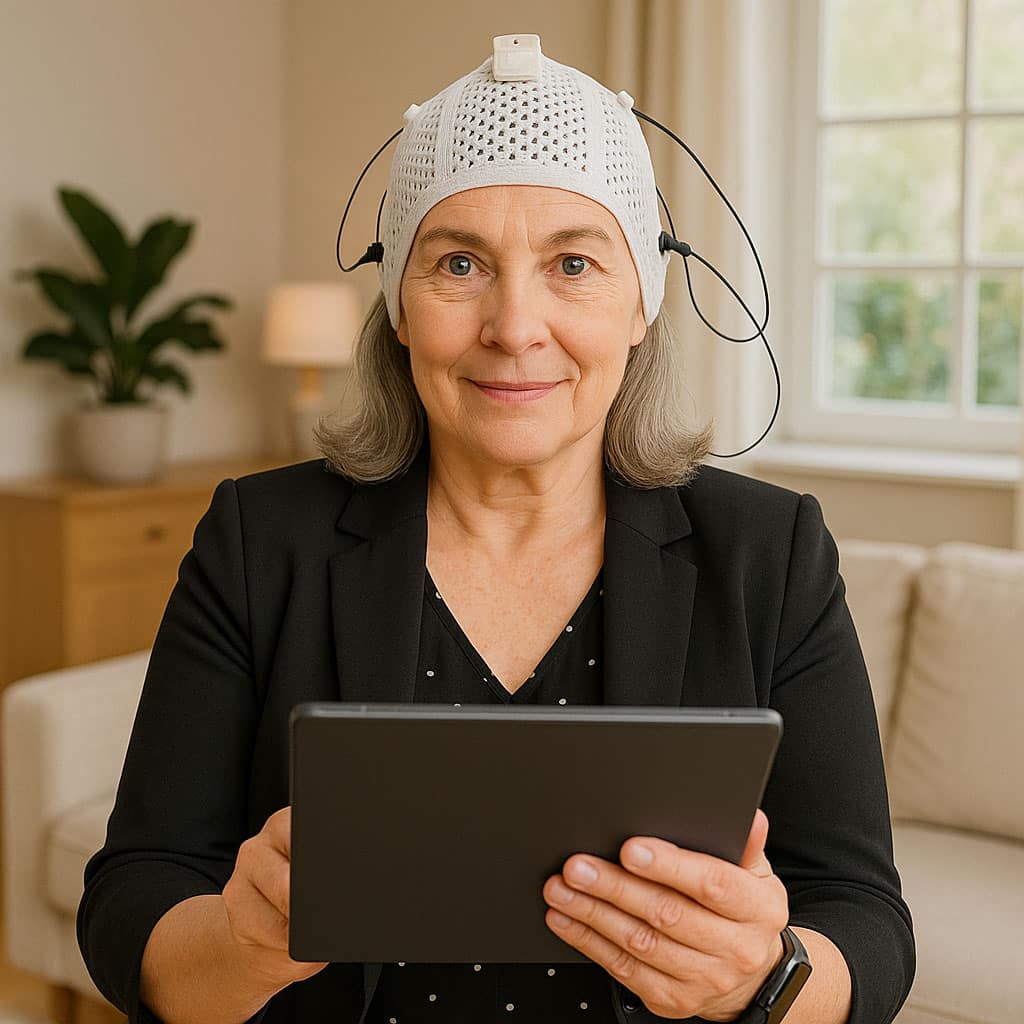
Neurofeedback Can Be Done at Home Under Our Supervision
We offer remote neurofeedback training, allowing you to improve your brain function from the comfort of home.

Using Light Therapy to Enhance Focus, Memory & Brain Recovery
Passive Near-Infrared Light Treatment (PnIR) – Supporting Brain Healing & Mental Clarity
Near-Infrared Light Therapy (PnIR) is a groundbreaking treatment that delivers targeted 810nm wavelength light energy to stimulate brain healing, improve focus, and support neuroplasticity.
How Does PnIR Work?
PnIR Can Be Done at Home Under Our Supervision
For individuals unable to travel for treatment, PnIR can be administered from the comfort of home with our expert guidance.


Why Choose Brain Wellness Center?
What Sets Us Apart?
At Brain Wellness Center, we specialize in science-backed, drug-free treatments that help restore and enhance brain function naturally.
Our treatments are designed to improve cognitive performance, memory, and overall brain function—without medication.
Frequently Asked Questions
- Cognitive Decline Aging
- Cognitive decline Insurance
- Diagnosis and Assessment - Cognitive Decline
- Equipment and Technology - Cognitive Decline
- Insurance and Financial Questions - TMS Coverage - Cognitive Decline
- Neurofeedback and Brain Training - Cognitive Decline
- Passive Near-Infrared Light Therapy (PnIR) - Cognitive Decline
- qpTMS™ Treatment - Cognitive Decline
- Treatment Planning and Outcomes - Cognitive Decline
Cognitive decline refers to the gradual loss of memory, attention, reasoning, or other mental abilities that can occur with aging. Brain Wellness Center offers advanced tools and treatments to slow or reverse these changes and promote long-term brain health.
Cognitive decline may result from aging, genetics, inflammation, poor circulation, chronic stress, or lifestyle factors. At Brain Wellness Center, we assess these elements to build a personalized brain health plan.
Mild cognitive decline is a common part of aging, while dementia (such as Alzheimer’s) is more severe and interferes with daily life. Brain Wellness Center provides early detection tools and interventions to support memory and cognition before more serious conditions develop.
Early signs include forgetfulness, difficulty concentrating, slower processing speed, and trouble finding words. If you notice these symptoms, Brain Wellness Center can provide a cognitive assessment and proactive care plan.
While not all forms can be reversed, many aspects can be improved or stabilized with targeted brain training, neurofeedback, TMS, and lifestyle changes—all available at Brain Wellness Center.
Treatment outcomes vary, but many patients notice improvements in focus, memory, and mood within 4–8 weeks. Brain Wellness Center monitors your progress and adjusts your care as needed.
Yes. Brain Wellness Center specializes in working with aging adults and older patients to help maintain mental sharpness, emotional stability, and independence.
Not always. With early intervention and consistent treatment, many patients maintain or regain cognitive abilities. Our goal at Brain Wellness Center is to support brain resilience and lifelong mental wellness.
Brain Wellness Center uses qEEG brain mapping, cognitive testing, and detailed health histories to understand each patient’s unique cognitive profile.
Everyone forgets occasionally. Cognitive decline involves more frequent or worsening memory and thinking issues that affect daily life. If you or a loved one is concerned, our team can help determine what’s normal and what may require care.
Brain Wellness Center performs a comprehensive assessment, including medical history, cognitive screening tools, and qEEG brain mapping, to detect early signs of decline and guide treatment.
Quantitative EEG (qEEG) measures brainwave activity to identify slow or irregular patterns often linked to memory loss, attention issues, and emotional changes in aging adults.
Yes. qEEG can uncover neurological markers of cognitive slowing or dysfunction before clinical symptoms become obvious, allowing for early intervention.
While symptoms can overlap, Brain Wellness Center uses qEEG and neuropsychological testing to distinguish between cognitive, emotional, and neurological causes to ensure accurate diagnosis.
Yes. It provides in-depth insights into memory, problem-solving, attention, and emotional regulation—essential for creating personalized, effective treatment strategies at Brain Wellness Center.
qpTMS™ (Quantum Phased Targeted Magnetic Stimulation) is an advanced, personalized brain stimulation treatment that uses qEEG brain mapping to support brain health. It’s designed to enhance cognitive function, focus, and memory in aging adults experiencing mental decline.
While traditional TMS uses a general treatment protocol, qpTMS™ at Brain Wellness Center is custom-tailored using your brain’s unique electrical activity. This leads to more precise and effective stimulation to support areas involved in memory, attention, and processing speed.
No. While both use FDA-approved TMS equipment, qpTMS™ offers a much more personalized approach guided by advanced qEEG analysis. Brain Wellness Center’s proprietary system targets the brain’s cognitive and emotional regulation centers with greater accuracy.
Yes. The technology used in qpTMS™ is FDA-cleared. Our methods follow all safety standards and are backed by years of clinical experience in treating cognitive and neurological conditions.
Yes. Side effects are rare and mild—typically limited to slight headaches in a small percentage of patients. Our staff closely monitors each session to ensure safety, especially for older adults.
A typical course consists of 30–40 sessions over 6–8 weeks. Your treatment plan will be tailored to your cognitive health goals and any related concerns such as memory, focus, or processing speed.
Many patients begin to notice improvements in clarity, memory, or energy within 2–4 weeks. Every brain responds differently, so our team will monitor progress and adjust your plan accordingly.
Yes. qpTMS™ is especially effective in targeting areas of the brain associated with memory, attention, and executive function. It is a valuable option for patients seeking non-pharmacological solutions for cognitive decline.
Yes. Since qpTMS™ uses FDA-approved TMS equipment, most major insurance providers offer coverage when the treatment is medically necessary. Our team at Brain Wellness Center will help verify your benefits.
Absolutely. qpTMS™ often works best when paired with neurofeedback, qEEG-guided coaching, or PnIR light therapy. Brain Wellness Center uses a holistic approach to support long-term brain health and prevent further decline.
Neurofeedback is a non-invasive method that helps train the brain to function more efficiently by providing real-time feedback on brainwave activity. At Brain Wellness Center, we use neurofeedback to support memory, attention, and overall cognitive performance, especially in aging adults.
Neurofeedback can improve focus, memory retention, mental clarity, and emotional regulation. For older adults experiencing brain fog or memory challenges, it offers a safe and drug-free way to enhance brain resilience.
Yes. Neurofeedback is non-invasive, painless, and has no known long-term side effects. It is a gentle and effective option for supporting cognitive health at any age.
Yes. Brain Wellness Center offers home-based neurofeedback training that is supervised remotely by our clinical team, making it easy and convenient for older adults and caregivers.
Many individuals see improvement after 20–30 sessions, depending on their goals and baseline function. Brain Wellness Center will track your progress and adjust your plan as needed.
PnIR (Passive Near-Infrared) therapy uses gentle 810nm light to stimulate brain healing, reduce inflammation, and enhance circulation. At Brain Wellness Center, we offer this treatment as part of our non-invasive support for brain health and aging.
PnIR helps improve blood flow, support neurotransmitter function, and reduce brain inflammation—factors often involved in memory loss and mental fatigue in older adults.
Yes. PnIR is FDA-cleared, non-invasive, and painless. It has been shown to support neurological health safely and effectively.
Yes. We offer home-use PnIR devices under clinical guidance for patients who prefer to do their therapy in a more flexible setting.
Typical sessions last 20–30 minutes and are done 3–5 times per week. Your care team at Brain Wellness Center will build a personalized plan based on your cognitive wellness goals.
Brain Wellness Center uses qEEG brain mapping and cognitive assessments to design customized treatment plans that may include qpTMS™, neurofeedback, PnIR, and lifestyle strategies.
Many patients experience clearer thinking, improved memory, better sleep, and enhanced focus. Our team is dedicated to helping you maintain independence and mental sharpness as you age.
With consistent treatment and occasional maintenance sessions, cognitive improvements can be long-lasting. Brain Wellness Center supports long-term brain health through ongoing monitoring and support.
Yes. We specialize in non-pharmacological treatments and often support patients who prefer natural or drug-free approaches. We can also work alongside your healthcare providers for coordinated care.
While cognitive decline cannot always be reversed, our treatments can significantly slow or reduce symptoms. Brain Wellness Center focuses on preserving brain health and improving quality of life.
No. You can continue your current medications during treatment. We simply recommend that medication changes be avoided during the course of care to ensure stable tracking of progress.
Costs vary depending on the treatment plan. Please contact Brain Wellness Center for current self-pay rates, special packages, and flexible payment options.
Yes. Brain Wellness Center accepts all major credit cards to make payment as convenient as possible.
Yes. You may use HSA or FSA cards to pay for services at Brain Wellness Center.
No. Most patients complete a course of TMS in 6–8 weeks. Many individuals experience lasting improvements in memory, clarity, and focus without the need for ongoing sessions. Some benefit from occasional maintenance treatments.
While Stanford’s accelerated protocol shows safety and efficacy, Brain Wellness Center offers up to five sessions per day for eligible patients. Sessions beyond one per day are not covered by insurance and must be paid out of pocket.
Some patients choose to return for booster sessions during high-stress periods or if symptoms return. This is determined individually by our care team based on your progress and goals.
Cognitive improvements often last for months or even years, especially when combined with healthy lifestyle habits and continued brain training. Brain Wellness Center focuses on long-term wellness strategies.
Yes. Brain Wellness Center provides an accelerated protocol of up to five TMS sessions per day. Insurance only covers one session per day; additional sessions are available as a self-pay option.
Yes. Clinical research has shown that multiple daily sessions are safe and effective when done correctly. Patient safety is always a priority at Brain Wellness Center.
Yes. You may choose to speed up your progress by scheduling extra sessions. Insurance will only cover one session per day, so any additional sessions would be self-pay.
Absolutely. Many patients choose to use insurance for one session per day and pay out of pocket for extra sessions to accelerate results.
Each session typically takes less than 20 minutes, allowing for easy scheduling and minimal disruption to your day.
Yes. TMS is non-invasive and requires no sedation, so you can resume normal activities—including driving or working—right after your appointment.
No. There are no restrictions post-treatment. You can return to your daily routine immediately.
No. You can begin treatment without a referral. Brain Wellness Center will conduct a full assessment to determine eligibility and medical necessity.
With over 20 years of experience, Dr. Hashemian leads Brain Wellness Center with a cautious, personalized approach. He often favors a steady treatment pace to support long-term cognitive gains.
Brain Wellness Center primarily uses MagVenture, an FDA-cleared TMS system trusted by institutions like Stanford, Harvard, and the University of Toronto for its precision and effectiveness.
Yes, although it’s rarely used today. Brain Wellness Center previously used BrainsWay for its deep stimulation capabilities but now favors newer technologies that offer more precision for cognitive and memory-related care.
Brain Wellness Center used NeuroStar when it was first FDA-approved in 2008 but retired it in 2013 in favor of more advanced systems with better flexibility and targeting.
Dr. Hashemian originally trained with Magstim in 2003. While we do not currently use Magstim-branded devices, the BrainsWay system we have used in the past operates on Magstim technology.
Deep TMS refers to BrainsWay’s H-coil technology, which reaches deeper brain structures. However, Brain Wellness Center’s MagVenture protocols have shown comparable or superior depth with greater control and customization.
Yes, though rarely. Nexstim is available for cases requiring MRI-based neuronavigation. Most patients benefit more from our qEEG-based targeting, which is less invasive and more informative.
Yes. CloudTMS is on-site and available but is not used routinely for cognitive-related treatment.
Yes. Theta Burst is a faster form of TMS that can be highly effective in certain cases. Brain Wellness Center offers this option when clinically appropriate.
Yes. MagVenture has been our primary system since 2016. It’s FDA-cleared and supports both standard and advanced protocols, such as theta burst, used in memory and cognitive health research.
Yes. All TMS protocols at Brain Wellness Center are based on repetitive transcranial magnetic stimulation (rTMS)—the standard FDA-approved method that delivers pulses in a repeated sequence.
TMS refers broadly to the treatment, while rTMS is the specific protocol of repeated pulses. All FDA-approved applications for cognitive and mood concerns fall under rTMS.
While we don’t label it “pTMS,” our exclusive qpTMS™ program far exceeds the typical definition of personalized TMS by incorporating qEEG data, custom phase adjustments, and proprietary targeting algorithms.
pTMS is a general term. qpTMS™ (Quantum Phased Targeted Magnetic Stimulation) is a proprietary method developed by Brain Wellness Center, based on advanced qEEG brain mapping and tailored stimulation patterns for each individual.
No. MeRT is a trademarked approach using standard TMS equipment. It’s not a unique procedure. Brain Wellness Center uses its own data-driven protocol—qpTMS™—for more precise and flexible treatment.
MeRT is a brand name; qpTMS™ is a proprietary system developed at Brain Wellness Center. Both use FDA-cleared TMS devices, but qpTMS™ includes deeper analysis, more sophisticated algorithms, and greater adaptability to cognitive needs.
Yes. Brain Wellness Center is in-network with most major commercial insurance providers in California. However, insurance typically covers TMS treatment only for diagnosed Major Depressive Disorder (MDD), not for cognitive decline or age-related memory loss.
Yes. We are in-network with Blue Shield. Coverage is available for depression-related treatments only. Cognitive decline or memory loss is not currently covered by insurance.
Yes. We are an in-network provider for Blue Cross. Like most insurers, they do not cover TMS for cognitive decline—only for depression diagnoses.
Yes. Brain Wellness Center is in-network with Anthem. Please be aware that TMS coverage is limited to depression and not cognitive impairment.
Yes. We accept Cigna. At this time, Cigna covers TMS for depression but not for aging-related cognitive issues.
Yes. Aetna is accepted at Brain Wellness Center, but coverage for TMS applies only to treatment of depression, not memory or cognitive function.
Yes. Brain Wellness Center accepts Medicare. Currently, Medicare only approves TMS treatment for Major Depressive Disorder, not for cognitive decline or brain aging.
Yes. Value Options is accepted for services related to depression. TMS for cognitive decline is not covered.
Yes. TriWest is accepted at our clinic. Please note that TMS for memory support or cognitive aging is not included in covered services.
Yes. We are in-network with Magellan. However, TMS coverage is limited to depression-related diagnoses.
Yes. Brain Wellness Center is in-network with TriCare, but only for TMS related to depression, not age-related cognitive support.
Yes. MHN is accepted for eligible services involving depression. TMS for cognitive or memory decline is considered self-pay.
Yes. Many Covered California plans are accepted. However, coverage for TMS is restricted to treatment of clinical depression.
Yes. Brain Wellness Center is in-network with Health Net. TMS services are covered for depression, not for cognitive decline.
Yes. Beacon Health Options is accepted. Insurance coverage is only for depression treatment.
Yes. Brain Wellness Center is in-network with Quantum. Like most plans, coverage for TMS is available for depression only.
Yes. Evernorth plans are accepted, but only for depression-related TMS care.
Yes. We accept Carelon. However, insurance coverage is limited to TMS treatment for diagnosed depression.
Yes. Brain Wellness Center is in-network with Medi-Cal. Unfortunately, Medi-Cal does not currently cover TMS for cognitive decline.
Yes. We work with several County Health programs across California. TMS is generally only covered when used to treat depression.
No. Blue Shield only covers TMS when used to treat Major Depressive Disorder (MDD). It does not cover treatment for memory loss or age-related cognitive changes.
No. Blue Cross only approves TMS coverage for depression. Cognitive decline, even when age-related, is not included in their coverage at this time.
No. Anthem covers TMS strictly for clinical depression. Patients seeking treatment for cognitive issues would need to consider self-pay options.
No. TMS is only covered by Cigna when treating depression. Memory loss or cognitive slowing is not covered.
No. Aetna covers TMS for Major Depressive Disorder only. Cognitive decline is not an approved diagnosis for TMS reimbursement.
No. Magellan limits TMS coverage to depression. Treatment for cognitive symptoms must be paid out-of-pocket.
No. While Medicare covers TMS for depression, it does not provide coverage for age-related cognitive decline, memory concerns, or brain fog.
No. Coverage from Value Options is currently limited to depression. TMS for cognitive aging is not reimbursed.
No. TriWest only approves TMS when used for depression. Memory loss and related conditions are not eligible.
No. TriCare’s TMS benefit applies to depression treatment only. Age-related cognitive concerns are not covered.
No. MHN provides coverage for TMS if you are diagnosed with depression. Cognitive decline is not included.
No. Covered California plans generally follow federal guidelines and cover TMS only for depression—not cognitive or memory-related conditions.
No. Health Net’s coverage applies only to TMS for depression. Other uses, like cognitive aging, are not eligible.
No. Beacon’s TMS coverage is limited to Major Depressive Disorder. Cognitive decline is not a covered condition.
No. Quantum only covers TMS when treating depression. Cognitive issues due to aging are not reimbursed.
No. Evernorth follows the same standard: TMS coverage is for depression only, not cognitive impairment.
No. Carelon covers TMS only for depression-related diagnoses. Age-related cognitive concerns are not included.
No. Medi-Cal currently covers TMS only when used to treat depression. It does not cover TMS for cognitive decline.
Costs vary depending on the treatment plan. Please contact Brain Wellness Center for current self-pay rates, special packages, and flexible payment options.
Yes. Brain Wellness Center accepts all major credit cards to make payment as convenient as possible.
Yes. You may use HSA or FSA cards to pay for services at Brain Wellness Center.
No. Most County Health Plans provide TMS coverage for depression only. Cognitive aging is not a covered treatment area at this time.
Once your paperwork is complete, Brain Wellness Center can typically get authorization within 2 to 5 business days.
Insurance usually covers one TMS session per day, five days per week, for a total of 36 sessions over approximately seven and a half weeks. Please note: insurance only covers TMS for depression—not cognitive decline.
Yes. We offer a free consultation to assess your case and will verify your insurance benefits, including copay details, before treatment begins.
No need. Brain Wellness Center handles all insurance communications, paperwork, and authorizations for you.
TMS is FDA-cleared for depression but not yet formally recognized by insurers for cognitive decline. This means coverage is limited to depression diagnoses, even when symptoms overlap.
Currently, insurance companies only approve TMS coverage for Major Depressive Disorder (MDD), not for cognitive decline, aging-related memory loss, or mild cognitive impairment. However, many patients still choose to pursue TMS as a self-pay option due to the potential cognitive benefits.
Major Depression is a clinical diagnosis defined by symptoms such as sadness, fatigue, poor concentration, and sleep disruption. Insurance companies typically require a PHQ-9 depression score of 20 or higher to authorize TMS coverage. This form is available on the Brain Wellness Center website and can be reviewed during your consultation.